

Why Cancer in Cameroon Wears a Feminine Face
In the wake of the COVID-19 pandemic, public health dialogues in Cameroon were dominated by discussions of infectious diseases. Soon after, a rising wave of femicides captures national headlines, sparking outrage over the physical violence claiming women’s lives. But quietly, away from the trending hashtags and public protests, another relentless killer has been stalking the […]
Every year, between 20,000 and 30,000 citizens receive a cancer diagnosis. For more than 65 percent of those patients, the disease will be fatal. Meaning close to 7 out of every ten persons living with cancer, dies.
Breast cancer leads the country’s diagnostic statistics, followed closely by cervical cancer. Together, these two malignancies form the overwhelming bulk of Cameroon’s oncology burden. Dr. Ntumsi Tontu, a Clinical and Radiation Oncologist at the Mbingo Baptist Hospital, observes this reality. He notes that while prostate cancer affects men and colorectal cancers strike both genders, cancer in Cameroon fundamentally wears a feminine face; leaving women to carry the heaviest weight of the country’s rising mortality rates.
The Crushing Cost of Late Presentation and Survival
The rising death-toll, incites curiosity as to why many women, especially younger women, lose their lives so quickly? Oncologists point to a deadly breakdown along every step of the health-care journey, starting with how and when the disease is disgnosed.
In Cameroon, there are no structured national screening guidelines to detect tumors early, whereas they are cheaper and easiest to cure. Instead, public awareness remains fragmented, leaving women to navigate symptoms through guesswork, self-medication, or alternative therapies until it is far too late.
“What obtains in Cameroon is an opportunistic approach where we wait for cancer day celebrations and commemorations and then organize fragmented screening campaigns,” Dr. Tontu observes. “There is very little continuity afterwards. People tend to have a very poor understanding of the disease, so patients who may be affected spend a lot of time gambling with various forms of treatment, only to present to the hospital at a time when it is too late to do anything about the situation.”
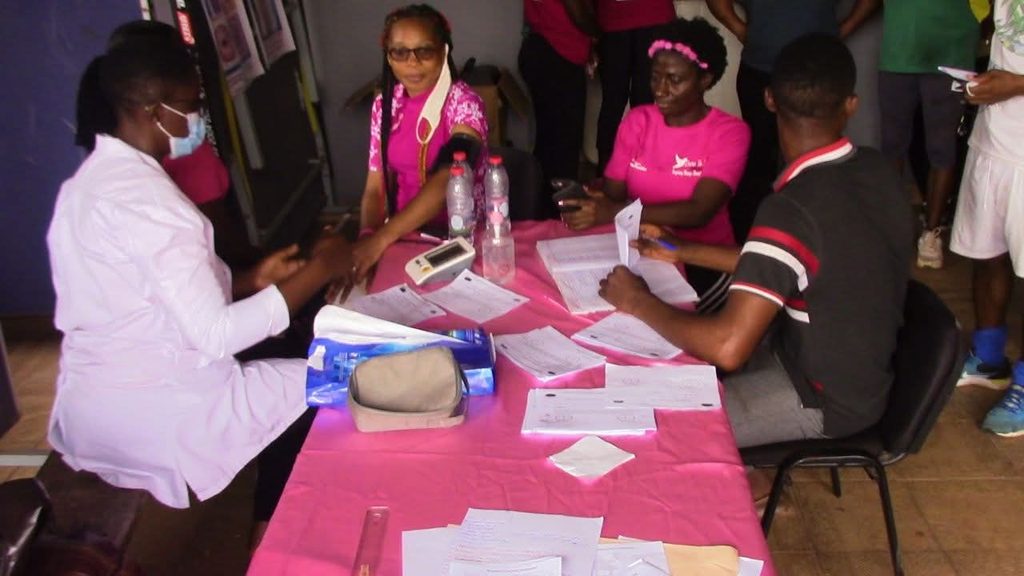
By the time a woman arrives at a specialized center – such as the medical oncology unit of the Yaoundé General Hospital, the oldest facility of its kind in the nation – the disease is often dangerously advanced. At this stage, survival requires an aggressive combination of surgery, chemotherapy, targeted drugs, and radiation.
Poverty is linked to the lack of routine consultation culture in Cameroon. Dr. Atenguena Okobalemba Etienne, a medical oncologist and head of the unit at the Yaoundé General Hospital, emphasizes how financial hardship cuts treatment short.
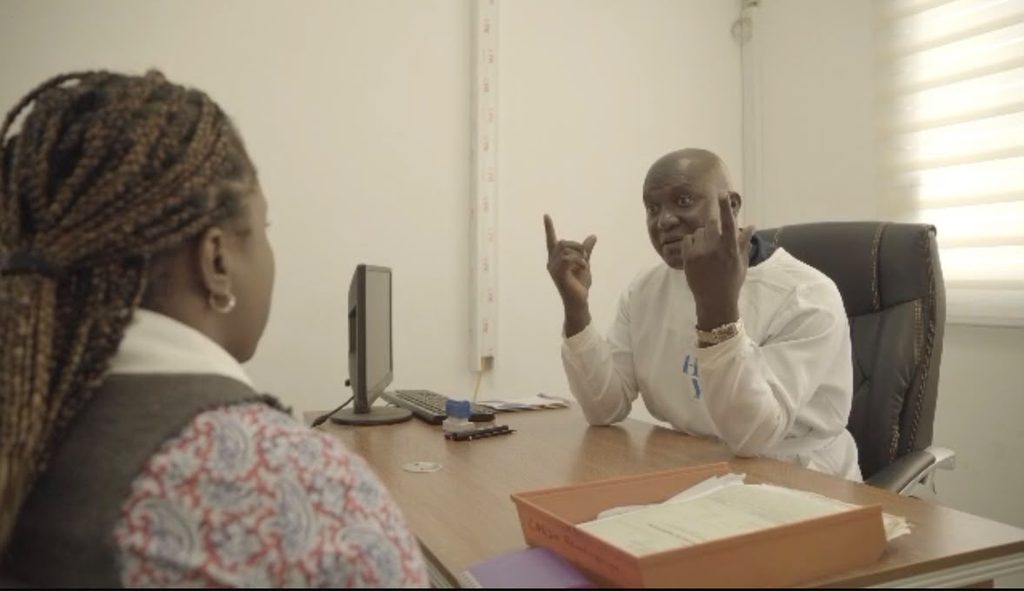
“People are poor; they don’t have enough money to pay for the treatment. This is one of the difficulties we have.”
He notes that while basic chemotherapy options are available through strictly regulated supply chains, newer targeted therapies and immunotherapies remain completely out of reach for ordinary citizens. “If social security could be extended to cancer patients, this would be a great achievement for our country so that people will be able to receive their treatment free of financial burden for them and for their family.” Dr. Atenguena suggested.
The government currently shoulders the cost of screening and treatment for several public health conditions, including HIV/AIDS, tuberculosis, malaria, haemodialysis, caesarean sections, hepatitis C, and other chronic conditions such as diabetes, under the Universal Health Coverage plan implemented in 2023.
An Infrastructural Deficit
Even when a family pools every resource they have to fund care, they hit the harsh reality of an overburdened health-care system. Cameroon faces a severe shortage of both medical specialists and state-of-the-art equipment. Today, roughly 33 oncologists are tasked with managing tens of thousands of cases for a population of nearly 30 million people.
The shortage is even more critical when it comes to radiation therapy; a core treatment needed to shrink tumors and stop their spread. According to World Health Organization standards, a population the size of Cameroon requires between 44 and 118 radiotherapy machines.
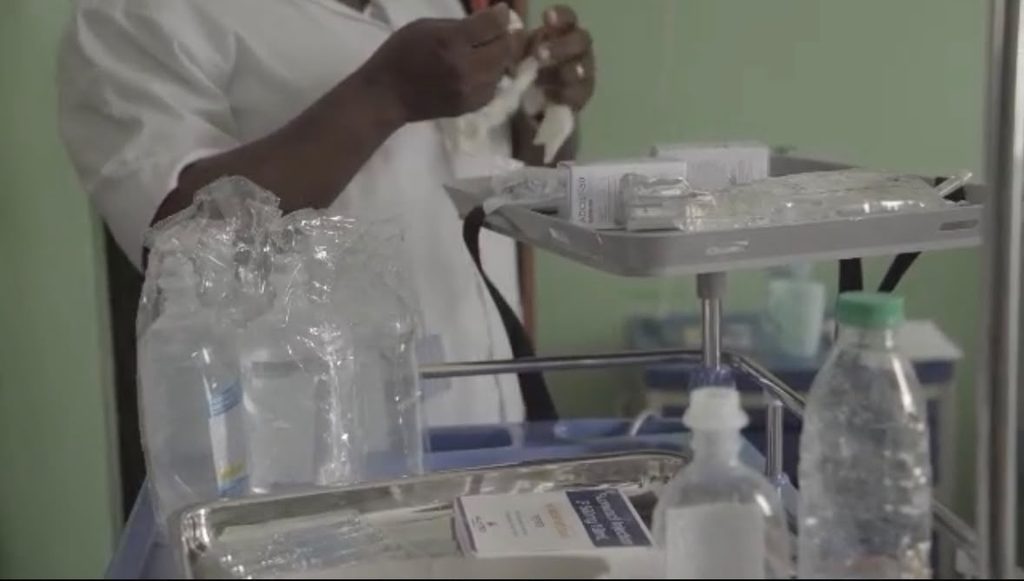
“Unfortunately, there are only two radiotherapy machines in Cameroon,” Dr. Tontu warns. “And therefore this means more than 95 percent of patients in Cameroon who need radiotherapy can unfortunately not have it.”
Actions Bringing Change: Taking Cancer Awareness to the Community
While the gaps in Cameroon’s cancer-care system remain wide, some Cameroonians are taking the fight beyond hospitals and into communities, focusing on one of the challenges in the cancer journey: early detection and access to information.
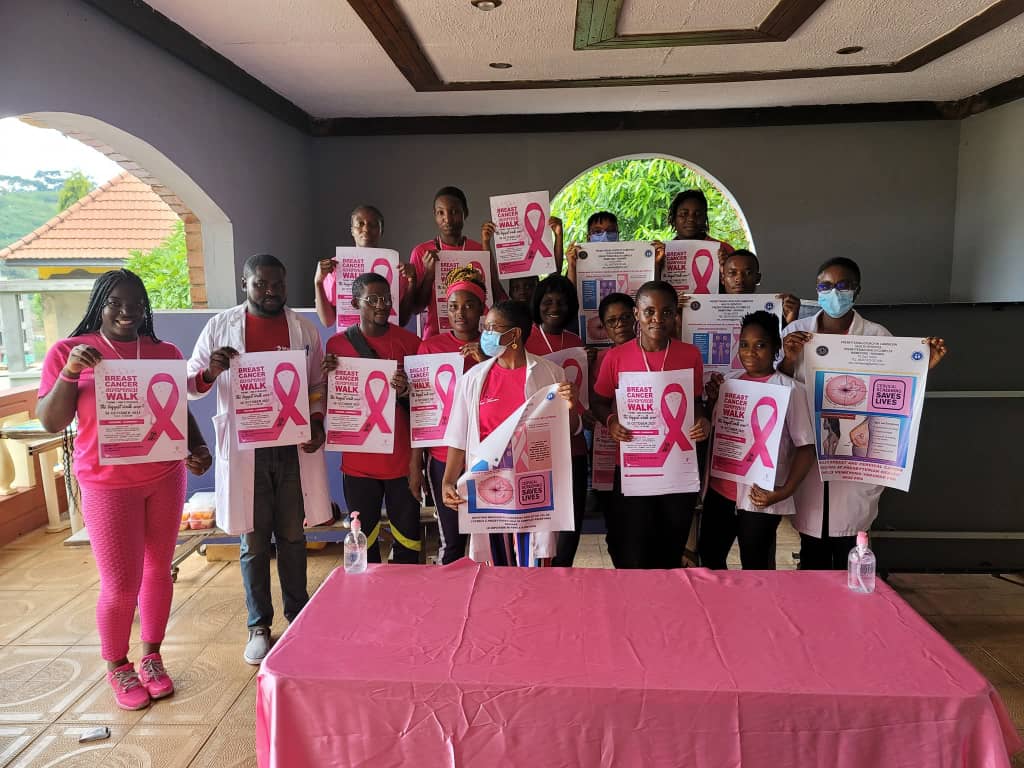
For Dr. Welisane Mokwe Nkeng, Founder and President of the Welisane Foundation, the approach is deliberately practical. Every February and October, the foundation brings women, health professionals, and partners together for breast cancer awareness activities, combining education with opportunities for free screening.
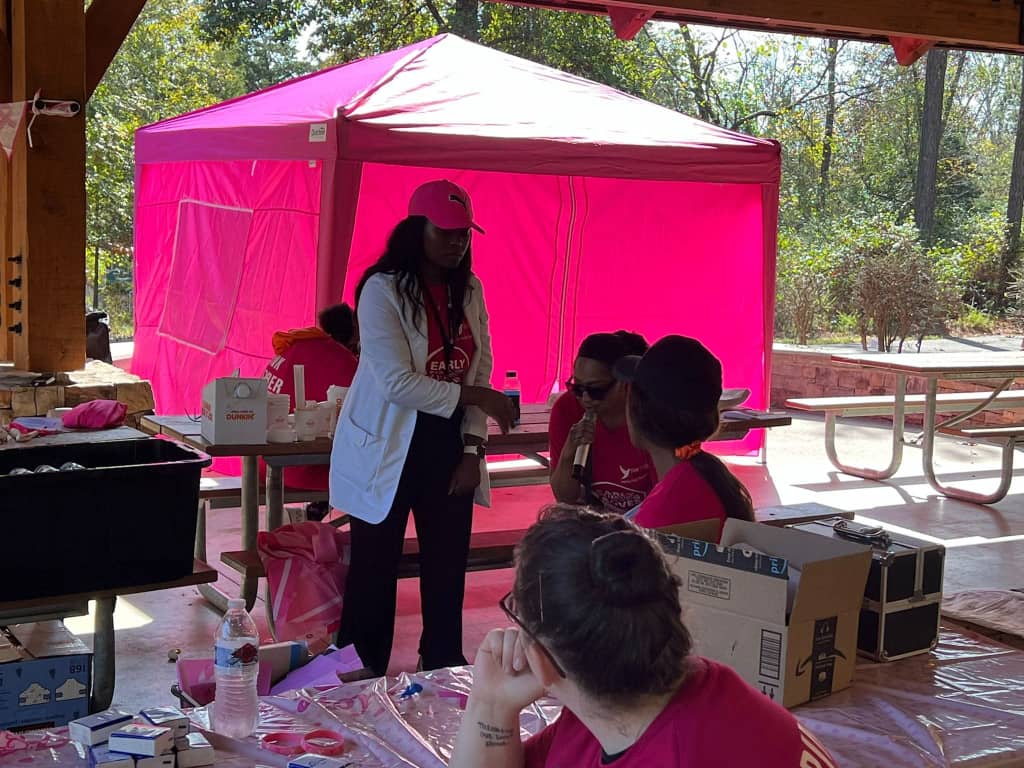
The idea is to remove some of the barriers that keep women from getting checked, particularly the cost and reluctance to seek screening on their own. They also use their social media platforms throughout the year to provide education and screening opportunities.
“It’s not just a social event where we wear pink. We actually have an opportunity to provide free screening to thousands of women during the Pink October brunch” Dr. Welisane insisted. “For us, the goal is very clear. We want more women to be screened before they develop symptoms, more cases to be detected early, and fewer women to lose their lives simply because they could not afford or access care on time.”
The need for such interventions becomes clearer at the grassroots level. Artist, entrepreneur and social worker, Yong Mark Ndi, popularly known as Macon, has spent five years campaigning on non-communicable diseases. Through his community work, he says nearly 20,000 women in the Northwest and Southwest Regions have been reached with health information and support.
Macon’s experience has convinced him that information can determine whether a woman seeks care early or arrives when treatment options are already limited.
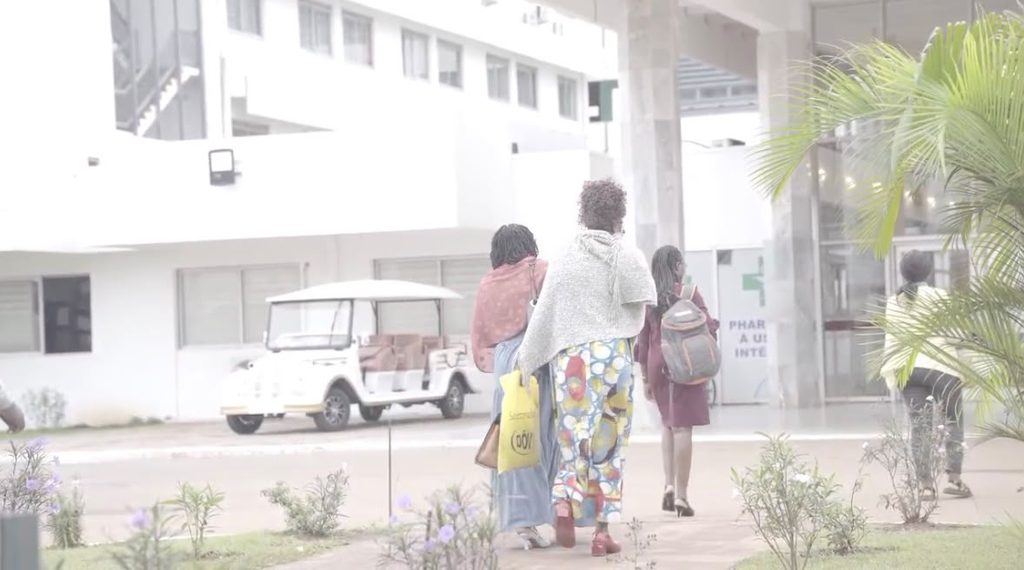
“The first, most important thing that we need to do is to sensitize the communities. One of the things that kills women when they have cancer is the fear of dying and of being abandoned.” Macon explains.
He says fear and stigma continue to discourage women from speaking about symptoms or seeking medical attention. He has encountered women who interpreted breast lumps as witchcraft while others feared rejection by their husbands. For him, therefore, cancer awareness must include the people surrounding the patient – husbands, children, relatives and the wider community.
That message has been accompanied by practical referrals. During a sensitization exercise in Miselele, a local community in the South West of Cameroon, where about 500 people gathered, Macon says one woman found the courage to speak about her condition after hearing the discussion. Subsequent follow-up led to eight women from the community being identified with cancer and referred to health facilities, such as the Mbingo Baptist Hospital.
The experience reinforced his belief that community conversations can uncover cases that would otherwise remain hidden.
These efforts cannot substitute for national screening policies, specialized personnel or the infrastructure needed to deliver care across Cameroon. But they demonstrate that the response to cancer is not entirely defined by what the health system lacks. If Cameroon is to change the face of cancer and reduce its burden, it must move beyond seasonal awareness campaigns and treat it as the urgent national emergency it truly is.
Gladys Asu Ngouana