

Cancer or Tuberculosis: A Cameroonian Woman’s Search for Answers
In early 2024, Nahbum Beltine – a 38-year-old life coach, esthetician, wife, and mother of three, living in Yaoundé, Cameroon – woke up to a sharp, deep pain around her breast bone. Beltine and her husband, Lawrence Nkede assumed rest and hydration would solve what they instinctively taught to be a postpartum defect from child […]
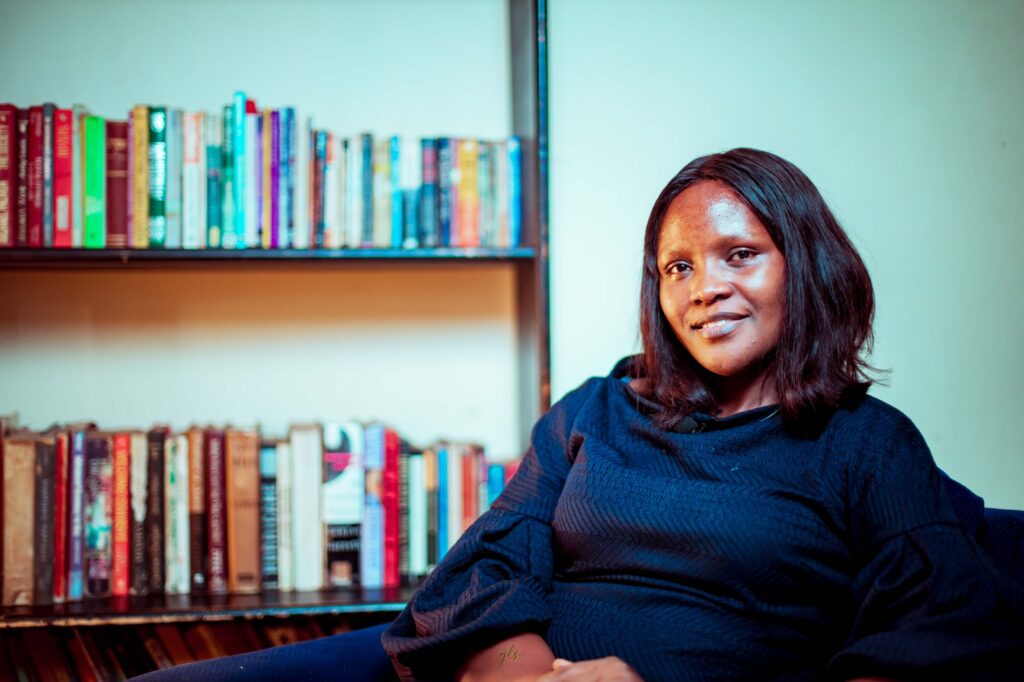
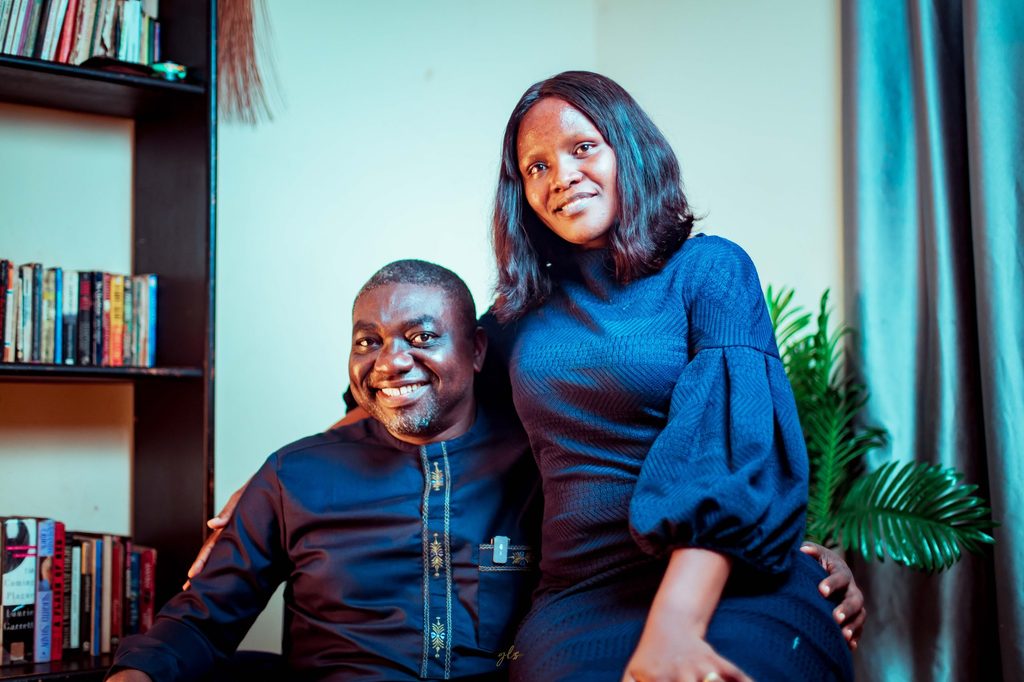
Beltine and her husband, Lawrence Nkede assumed rest and hydration would solve what they instinctively taught to be a postpartum defect from child birth.
But when the pain persisted, as Beltine described, » it was as if something unseen has called my name » – she sought medical care. That was the start of a multi-year medical nightmare that would test her family’s endurance and expose the fragile, often terrifying realities of medical diagnoses in Cameroon.
A Diagnostic Maze: The Battle of the Labs
Determined to find relief, Beltine began a grueling journey through the healthcare system. Her first stop was a local hospital, where a general practitioner suspected gastric distress between her breasts. He prescribed medication, but two weeks passed without relief.
She sought a second hospital. Doctors ran extensive blood panels, organ scans, and ultrasound echographies. Her blood samples were even shipped to France for specialized testing, returning completely normal. Meanwhile, the pain was moving relentlessly across her body. Her doctor recommended 15 sessions of physical therapy; they yielded nothing.
« I worked with that doctor for close to two months, » Beltine recalled. « The doctor honestly told me that he could not continue with me, that he was just a general doctor, and it would be better to link me up to a specialist. »
Yet even under specialist care, clarity remained elusive. As her health deteriorated, Beltine was rushed to a clinic in the Bastos neighborhood of Yaoundé. By then, the pain was so agonizing that doctors put her on high-dose pain management, including tramadol and eventually morphine.
Soon, physical deformities appeared; her right rib cage began to swell noticeably.
Without a clear picture, surgeons proposed exploratory surgery, suggesting it might be an abscess or appendicitis. Beltine refused to let them operate blindly.
« I told the doctor: ‘No, you cannot operate on me for an ‘it could be’. If it is this, you have to be explicit, you have to be specific that it’s this thing, then I will allow you to operate on me.' »
Disappointed, Beltine traveled to the Southwest Region of Cameroon, hoping English doctors in hospitals such as Mutengene and the Regional Hospital in Buea could make concrete findings. Advanced CT scans were ordered, but local interpretations remained hesitant, pointing only to a « high probability of cancer. »
Seeking immediate clarity, her CT scan was digitized and sent to a specialist in India for expert review. Foreign interpretations suggested a stage 4 metastatic breast cancer, with an estimated treatment cost of $30,000 – nearly 19 million CFA francs.
Beltine returned home shattered. Having maintained strict gynecological follow-ups through all her pregnancies, the news felt like a nightmare.
« I stood there, came back home, and I was tearing up. I was confused. I cried and cried, » Beltine shared. A friend in the United States opened a GoFundMe campaign to raise funds, while relatives called and prayed, helping her carry a burden too heavy for one family.
The Biopsy Dilemma: Praying for Tuberculosis
Before committing to the crippling expense of international chemotherapy, a trusted local doctor urged Beltine to undergo a tissue biopsy in Yaoundé. To be absolutely certain, the extracted tissue was divided and sent to two separate laboratories.
The results rather created confusion. While one laboratory confirmed primary bone cancer, the other found no trace of cancer at all, advising the medical team to test for tuberculosis.
Dr. Eke Marie Cyrielle, an internist at the Baptist Hospital who was part of Beltine’s medical team, vividly recalls the complexity of the case.
“It was, without a doubt, a very challenging diagnostic journey,” Dr. Eke explains. “What made her case particularly difficult was the fact that the investigations were not giving a straightforward answer. Initially, we had tuberculosis as a differential. We tried to do various non-invasive investigations – like gastric aspirate for GeneXpert and sputum – but we had negative results.”
Because the non-invasive tests failed to show TB, the contradictory biopsy results left the team in a perilous position. Beltine was caught in a psychological limbo, actively hoping she had a severe infectious disease simply because tuberculosis, unlike late-stage metastatic cancer, offered a real chance at a cure.
“We had two labs, first biopsy, two different results,” Dr. Eke notes. “Sometimes when we are faced with contradictory results, we might tend to give up. But the aim is to keep on searching until you find the right diagnosis. Patients don’t read books and we don’t treat tests; we treat patients.”
Refusing to give up, Beltine traveled to Dubai, visiting multiple health centers. Extensive imaging revealed that the illness had eaten holes into her bones, leaving her spine so fragile that doctors warned a wrong move could paralyze her permanently. She was placed in an orthopedic lumbar belt and given bi-weekly bone-strengthening injections costing 100,000 CFA francs per dose.
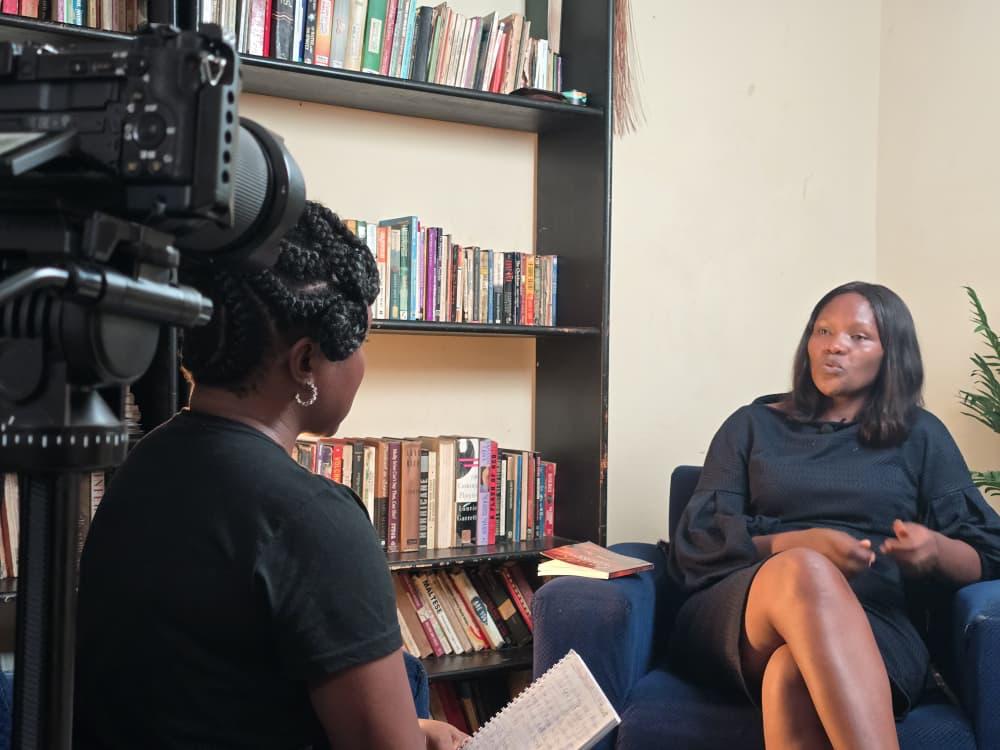
While in Dubai, a doctor conducting a detailed ultrasound spotted a long-standing nodule near her breast and arm area. The physician strongly advised her to return to Cameroon and get a Fine Needle Aspiration Cytology (FNAC) – a precise needle test targeting the swollen tissue – along with a PET scan. To break the tie, a second tissue sample was taken and sent to a third laboratory.
Finally, the definitive truth emerged: Tuberculosis Adenitis. It was an extraordinarily rare form of extra-pulmonary TB that aggressively attacked her soft tissue and bones, perfectly mimicking a metastatic tumor on radiological scans.
The diagnosis brought clarity and an answered prayer. Beltine was immediately referred to an infectious disease specialist and placed on a strict 12-month course of targeted anti-tuberculosis medication.
Because the drugs had to be taken at 5:00 AM on an empty stomach, Lawrence helped manage a precise daily routine. They paired her medical treatment with a disciplined nutritional plan, incorporating fresh fruits, aubergine sauvage (wild eggplant), black seed oil, soursop leaves, and natural botanical extracts to support her liver and immune system.
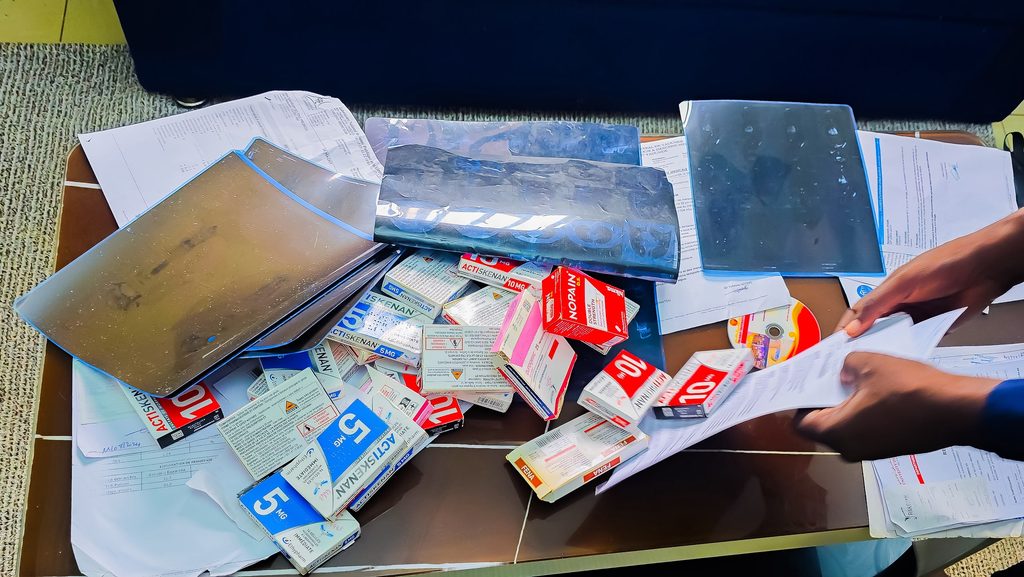
After 12 months, her doctor officially stopped the anti-TB pharmaceutical course to protect her internal organs. Today, the swelling on Beltine’s right rib cage has completely vanished, and the left side continues to clear.
« After seven months, eight months, the pain subsided, » Beltine shared. « I woke up, I could stretch, I could lift up my hand, I could turn… I said, ‘God, thank you. Thank you for answering my prayers.' »
The Emotional and Financial Toll on a Family
While Beltine’s body fought the disease, her family bore the immense emotional and financial brunt. Her husband, Lawrence Nkede, a sports analyst and communications professional, went through a season that tested his resilience. He had to maintain a composed, energetic public presence for his career while watching his wife’s health deteriorate at home.The family was drained financially by the endless loop of consultations, imaging, and lab tests.
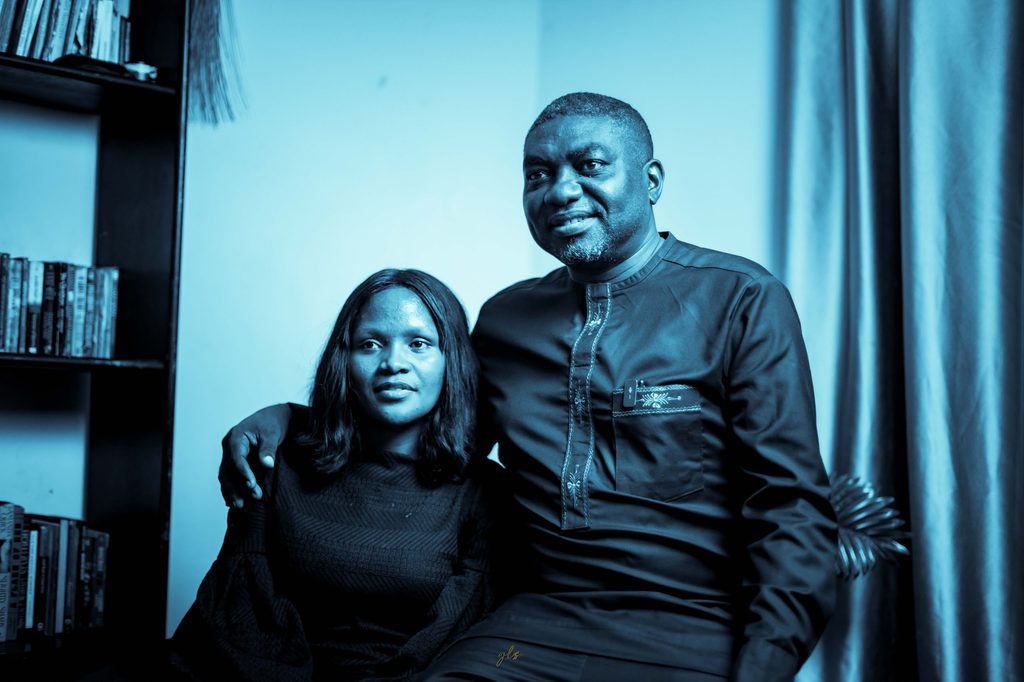
“The most difficult part is not getting solutions, moving from one hospital to another,” Lawrence reflects.“And you see progressively how she’s dying out and you can’t do anything.”
For Lawrence, the burden of care giving required a quiet, desperate resilience. “When you are restless in front of your wife, you just have to hide your face and cry in the toilet, come back, and stand firm,” he shares.
Hope Beyond the Waiting Room
Today, Beltine is fully recovered. But she refused to walk out of the waiting room and leave her experience behind. During her darkest days confined to her sickbed, she made a covenant with God, promising to use her survival to lift others.
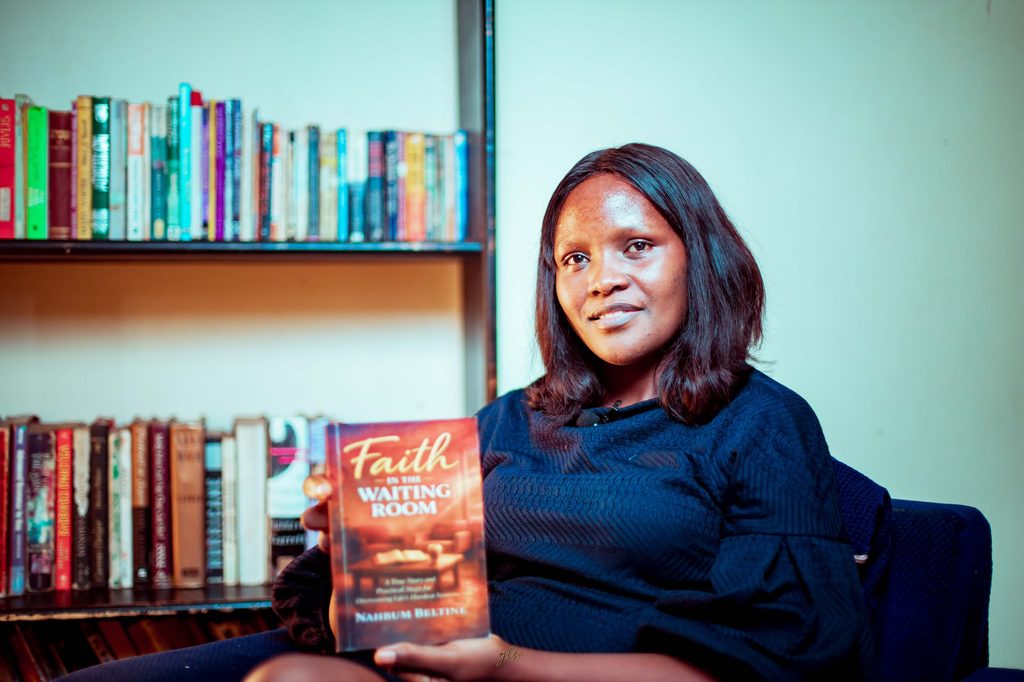
She has documented her harrowing journey in a newly published book titled Faith in the Waiting Room, designed to offer hope to patients trapped in medical uncertainty. Fulfilling another promise she made while fighting for her life, she has released a song of gratitude titled To Jesus with Love on Youtube. Now, as a final testament to her survival, Beltine is preparing to donate one million CFA francs to a local orphanage.
Reflecting on their ordeal, both Beltine and Lawrence emphasize the need for patients to advocate for themselves, ask the hard questions, and never accept invasive treatments without definitive tissue proof.
« When there is life, there is hope, » Beltine said. « I decided to share this story because I believe that someone out there might find hope in my story. They should know that the waiting room is not the end of their story. »
Beltine’s story is a powerful reminder of the importance of patient advocacy, support, and medical persistence. Her survival proves that in the face of contradictory lab results and terrifying diagnoses, questioning the data until it matches the human being in front of the doctor is a practice that saves lives.
Gladys Asu Ngouana