
Cameroon seals framework to boost research and innovation
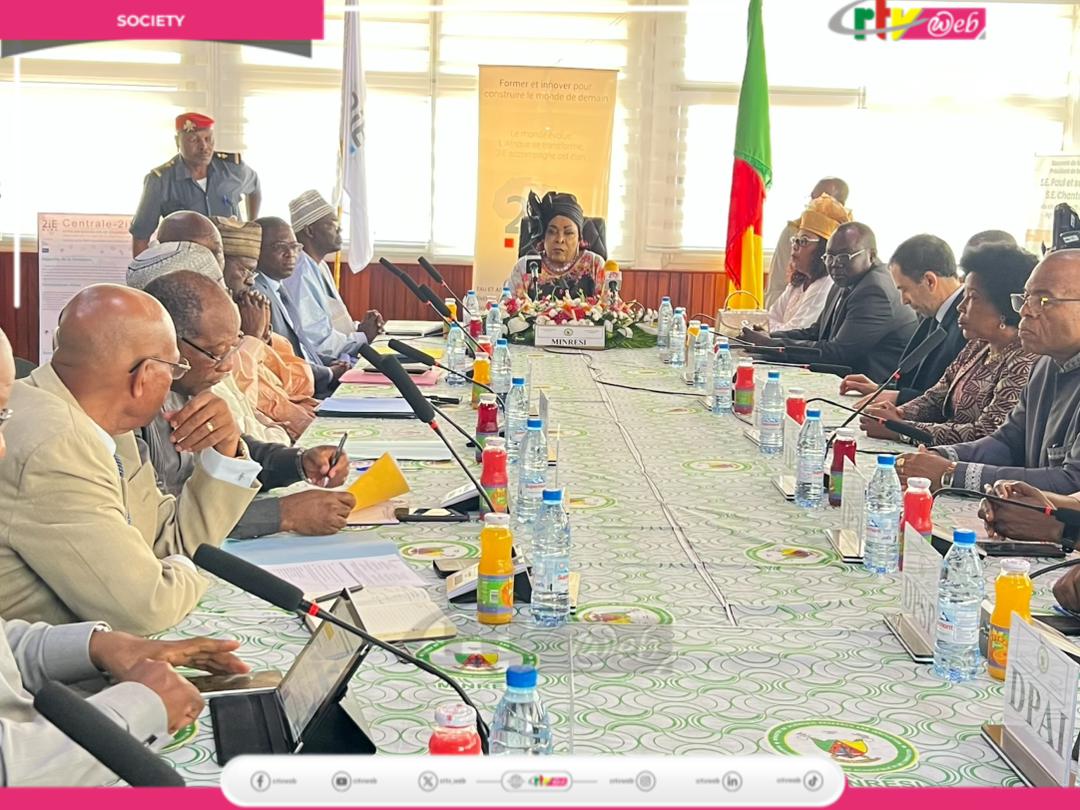
Cameroon is set to strengthen its scientific research, innovation, and engineering training following the signing of a framework partnership agreement between the Ministry of Scientific Research and Innovation (#MINRESI) and the International Institute for Water and Environmental Engineering (#2iE). The agreement was signed on April 21, 2026, in Yaoundé by the Minister of Scientific Research […]
The agreement was signed on April 21, 2026, in Yaoundé by the Minister of Scientific Research and Innovation, Dr. Madeleine Tchuinté, and the Director General of 2iE, El Hadji Bamba Diaw.
It aims to enhance cooperation in strategic sectors including energy, infrastructure, environment, and transport, while expanding opportunities for student internships, doctoral training, and applied research.
Speaking during the ceremony, Minister Madeleine Tchuinté said the partnership should serve as an instrument to protect national interests while contributing to African scientific excellence and regional integration. She also cautioned against risks such as dispersion of efforts, financial constraints, and coordination challenges, stressing the need for strong governance and measurable results.
The Director General of 2iE, El Hadji Bamba Diaw, emphasised the importance of strengthening scientific collaboration and offering more practical research opportunities for Cameroonian students and doctoral candidates, while consolidating the institute’s presence in Central Africa.
Preparatory meeting shapes framework of cooperation
The agreement was preceded by a working session held on April 20, 2026, at the Ministry of Scientific Research and Innovation in #Yaoundé.
The session brought together 2iE representatives and officials of research institutions under MINRESI, serving as a platform to present institutional missions, assess research capacities, and identify priority areas of cooperation.
Key recommendations from the working session
During the meeting, participants recommended establishing targeted partnerships between MINRESI-affiliated institutes and 2iE, strengthening capacity to mobilise international research funding, and expanding doctoral training opportunities.
They also emphasised the need to co-organise scientific events, pool research expertise, promote research-based entrepreneurship, and ensure regular coordination to support effective implementation.
What changes after the signing?
With the agreement now formalised, both parties are expected to move from consultation to implementation, focusing on concrete research projects, stronger institutional collaboration, and better translation of scientific outputs into development solutions.
Egoh Yvonne (Intern)