

World Blood Donor Day : Harmonization of Blood Collection System Among Major Reforms
Harmonizing the Blood collection system is one of the major reforms the National Blood Transfusion Service is embarking on to address blood collection problems in Cameroon. The General Manager of the NBTS, Prof. Dora Mbanya disclosed the information to media professionals on June 1, while chairing the press briefing in prelude to the annual observance […]
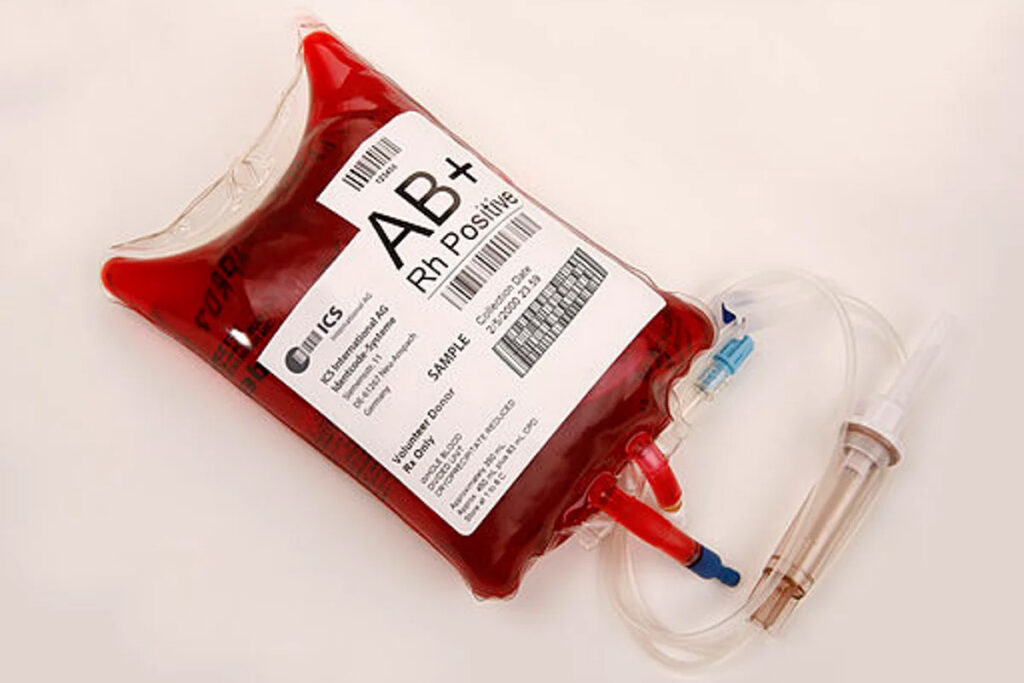
Harmonizing the Blood collection system is one of the major reforms the National Blood Transfusion Service is embarking on to address blood collection problems in Cameroon.
The General Manager of the NBTS, Prof. Dora Mbanya disclosed the information to media professionals on June 1, while chairing the press briefing in prelude to the annual observance slated for June 14 across the globe.
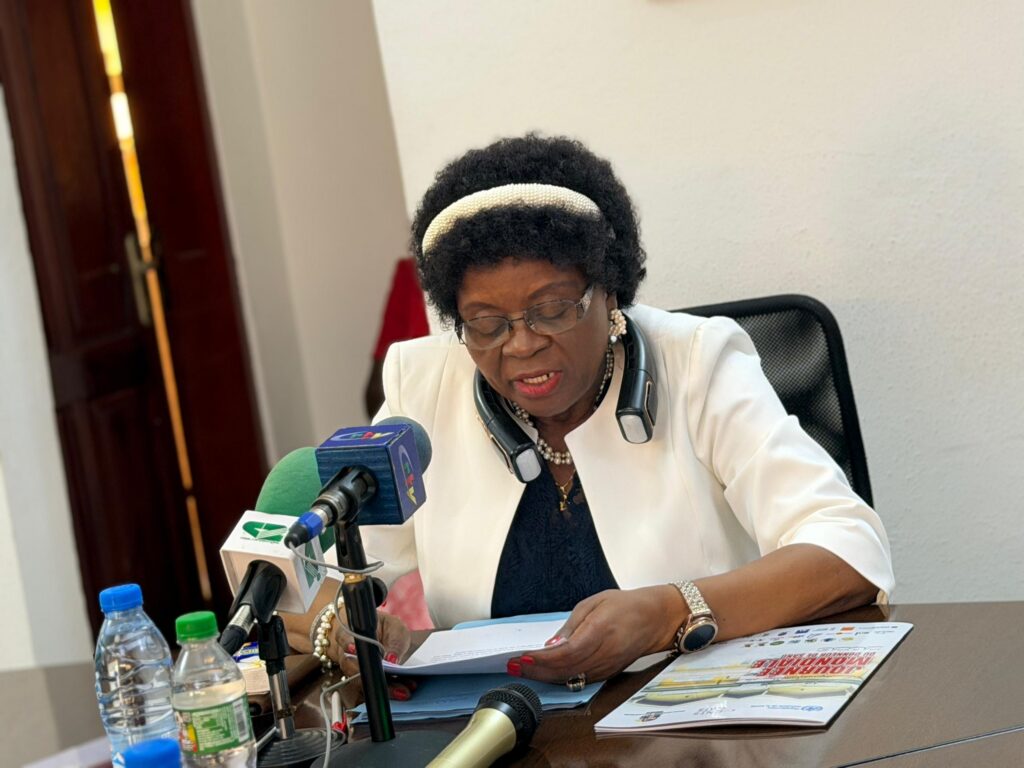
Representatives of blood donor associations, civil society organizations, other partners and media professionals were among those to whom the reforms in blood collection were rolled out.
The 2026 World Blood Donor Day will hold in Cameroon on the theme « One Drop of Humanity. Give Blood. Save Lives. »
Highlighting the importance of this year’s theme, the NTBS General Manager said
« It is a simple, but profound reality: blood donation is far more than a medical act. It’s an act of humanity. It’s an expression of solidarity between citizens who may never meet, but whose lives become connected through a single gesture, » Prof Mbanya said.
En route to a Robust Blood Collection System
One of the major reforms being implemented by the NBTS to fulfill its mission of ensuring quality blood is available and accessible in Cameroon is the harmonization of the blood collection system. This is being implemented to improve visibility of available blood resources across the country, anticipate shortages and respond promptly.
Cameroon requires 400,000 pints of blood annually, but currently meets only 47%, representing less than half of its annual blood needs. This has resulted in a recurrent shortage which is fueled by persistent challenges including insufficient national coverage of blood needs, low levels of voluntary unpaid blood donation, regional disparity in access to blood products, limited specialized human resources, and aging equipment and infrastructure in several blood banks .
To change the tides in the blood collection outcomes in Cameroon, the NBTS is banking on two recently completed strategic documents ; the National Policy on Blood Transfusion and a Strategic Plan of the National Blood Transfusion Service for 2026-2030.
Added to this is the groundwork for a modern data system and a more structured approach to community mobilization, currently being laid down thanks to the Project to Support the Deployment of the National Blood Transfusion Service of Cameroon (PADOC), funded by Expertise France and launched on July 11, 2025.
« These documents provide a coherent framework for the development of the sector and define the vision, priorities and actions required to ensure universal access to blood products, » Prof. Mbanya said.
According to the General Manager of the NBTS, the PADOC project has already ushered in significant progress in training, digitalization, governance and strengthening hospital blood banks. Less than one year after its launch, 660 health professionals have been enrolled in training programs, over 330 successfully trained and 14 blood banks equipped with blood collection equipment.
The NTBS will step up efforts to raise awareness about the urgent need for regular blood donation to ensure access to patients in need during commemorative activities for the World Blood Donor Day. The structure has set out a national plan to raise awareness among at least 1million people, collect at least 4000 pints of blood, recruit at least 2000 new donors and mobilize 3,500 people for awareness walks , estimated to cost close to 270 millionFCFA.
Commemorative activities of the 2026 World Blood Donor Day include a fitness walk on June 6, a webinar dedicated to discussing challenges affecting blood donation in Cameroon, blood donation and awareness campaigns across the country, and a round table to identify strategies to spur young people to voluntary donate blood.
Kathy Neba Sina