

Indigenous Populations : Government to Improve Coordination of Interventions
Stakeholders involved in the promotion and protection of vulnerable indigenous populations met in Yaoundé on November 11, 2026, to assess ongoing programmes and strengthen efforts to improve the living conditions of these communities. Discussions held at the 14th session of the Inter-sectoral Committee for Monitoring Programmes and Projects Involving Vulnerable Indigenous Populations (CISPAV) was chaired […]
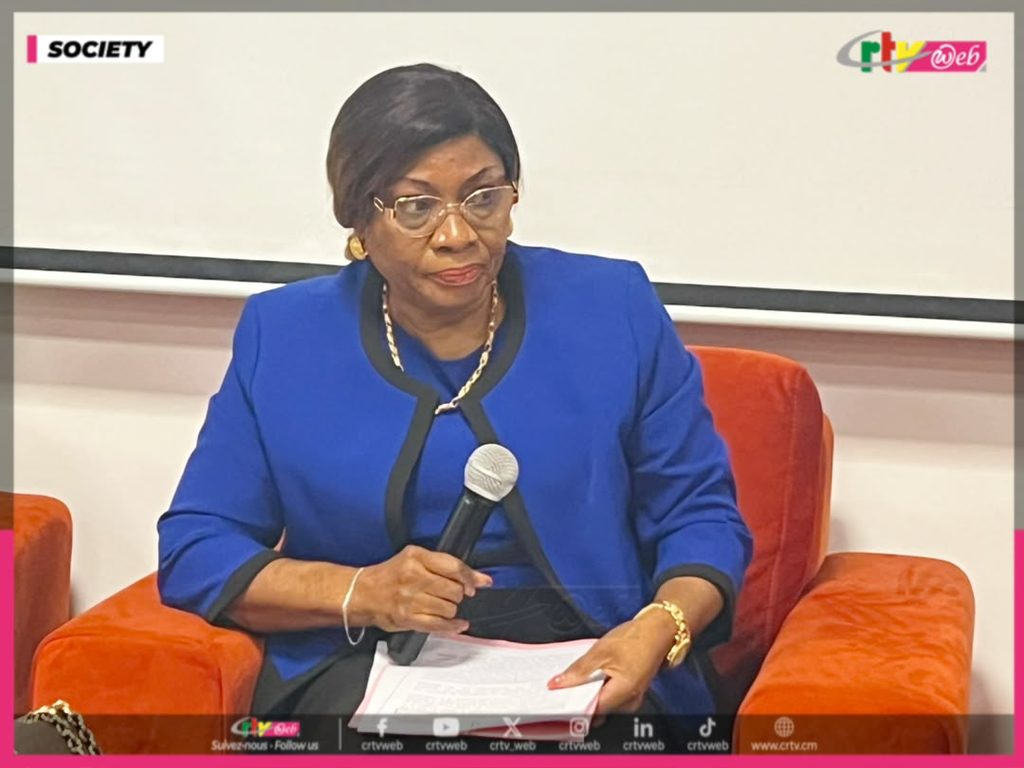
Stakeholders involved in the promotion and protection of vulnerable indigenous populations met in Yaoundé on November 11, 2026, to assess ongoing programmes and strengthen efforts to improve the living conditions of these communities.
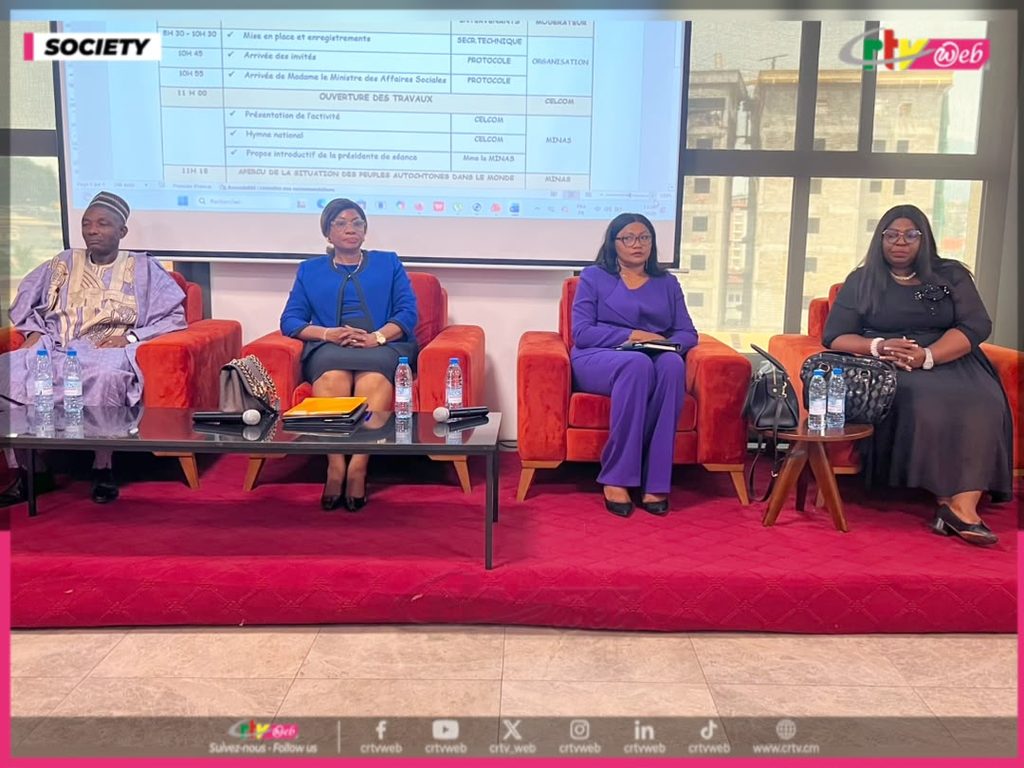
Discussions held at the 14th session of the Inter-sectoral Committee for Monitoring Programmes and Projects Involving Vulnerable Indigenous Populations (CISPAV) was chaired by the Minister of Social Affairs, Pauline Irène Nguene.
The social affairs minister emphasized that Identifying priority areas for public assistance to reduce poverty and guaranteeing the fundamental rights of indigenous populations remains a major government concern .
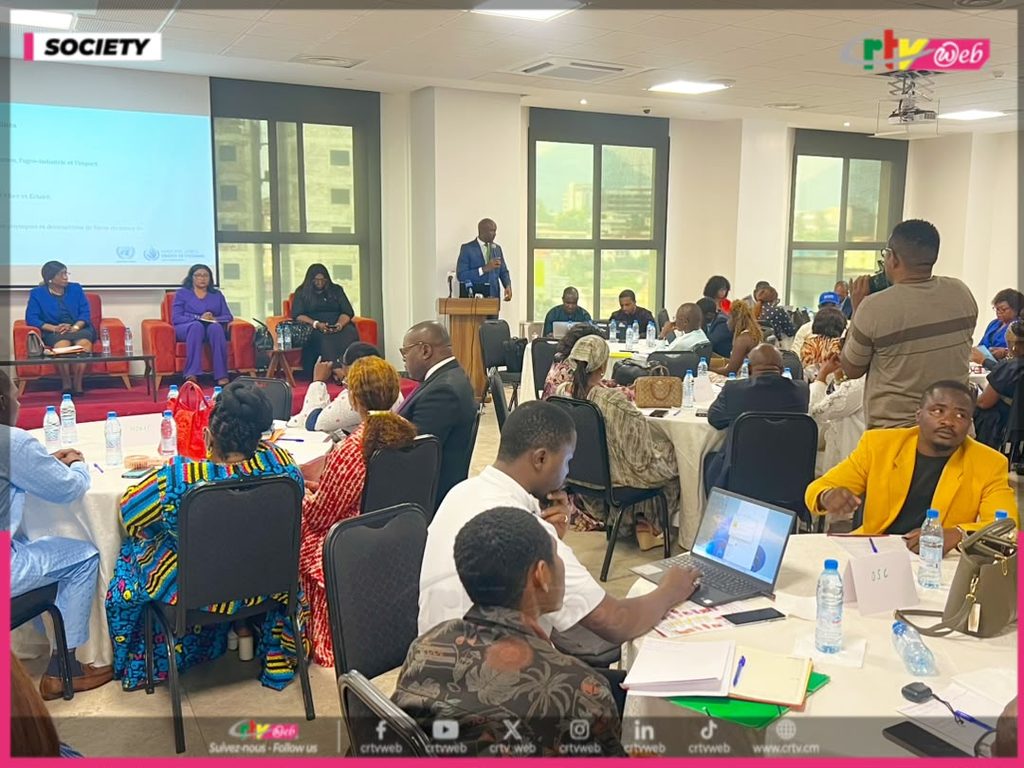
According to figures presented during the session, 30 young Bororos, including 12 girls, received support to establish business secretariats in the first half of 2026. The Ministry of Social Affairs also carried out 498 awareness campaigns across 123 councils, reaching a total of 6,552 people on political participation. Added to this number is another 1,940 vulnerable indigenous people who received assistance in obtaining official documents, including national identity cards and birth certificates.
Regarding the objectives of the session, the Director of National Solidarity and Social Development at the Ministry of Social Affairs, Georges Edmond Makita, said the meeting was particularly designed to improve coordination among stakeholders, and to ensure that their interventions align with Cameroon’s National Development Plan.
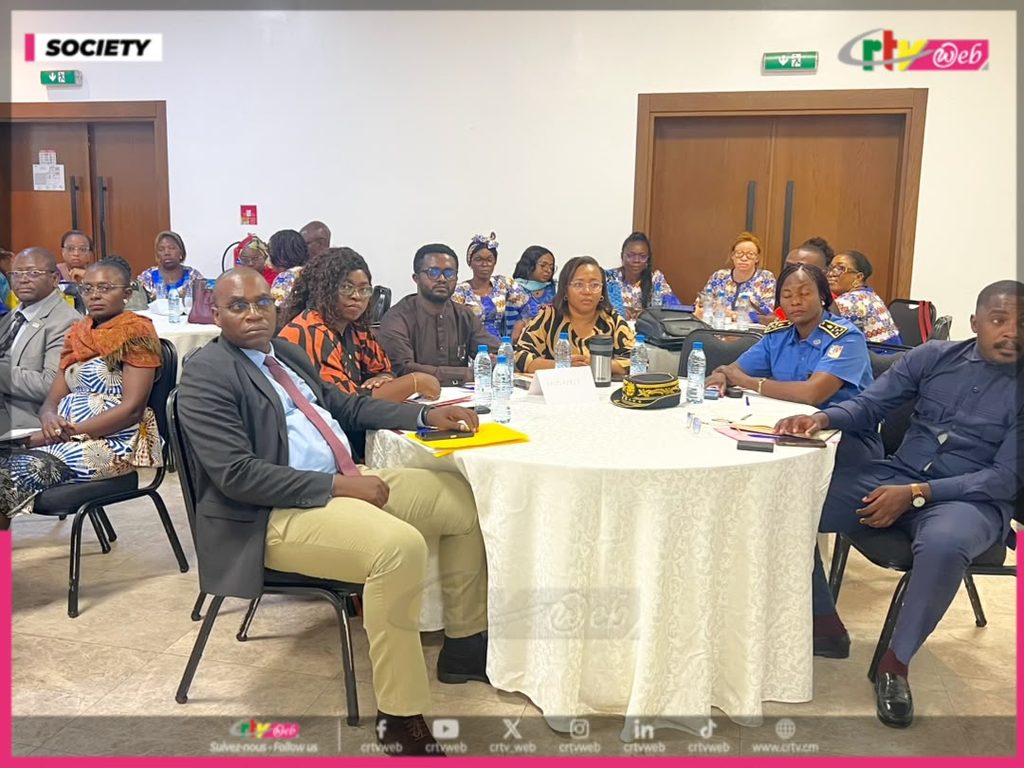
He also highlighted opportunities offered by Cameroon’s mandate at the United Nations Permanent Forum on Indigenous Issues, particularly in technical support and potential funding for projects benefiting indigenous communities.
Created in 2013, CISPAV serves as a platform for coordinating interventions in favour of vulnerable indigenous populations. Recommendations from the session are expected to inform an action plan aimed at ensuring more effective interventions and lasting improvements in the living conditions of these communities.
Egoh Yvonne (Intern)